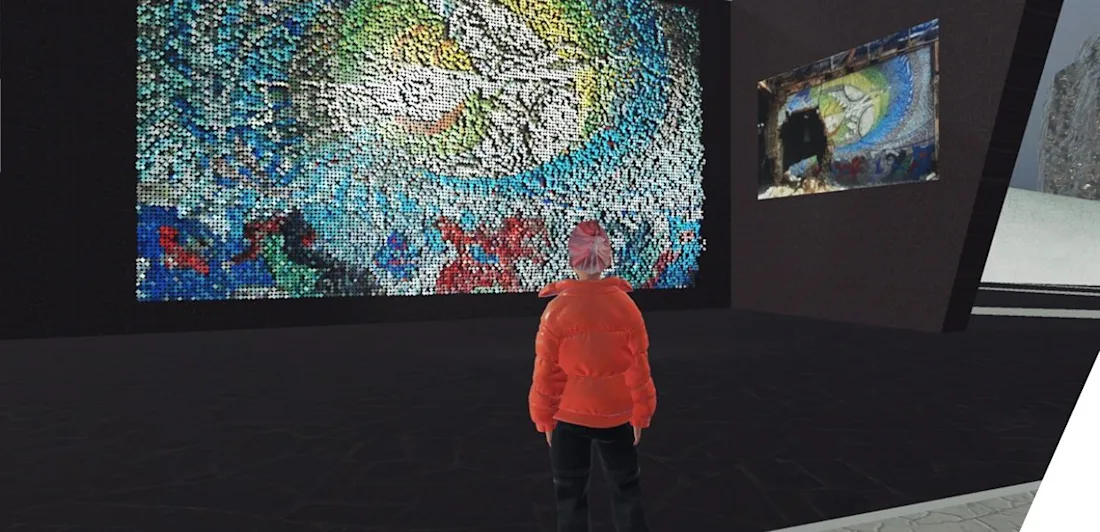
This piece was written by colleagues from the Museum of Stolen Art.
What does it mean to protect heritage during wartime? Lessons from Ukraine
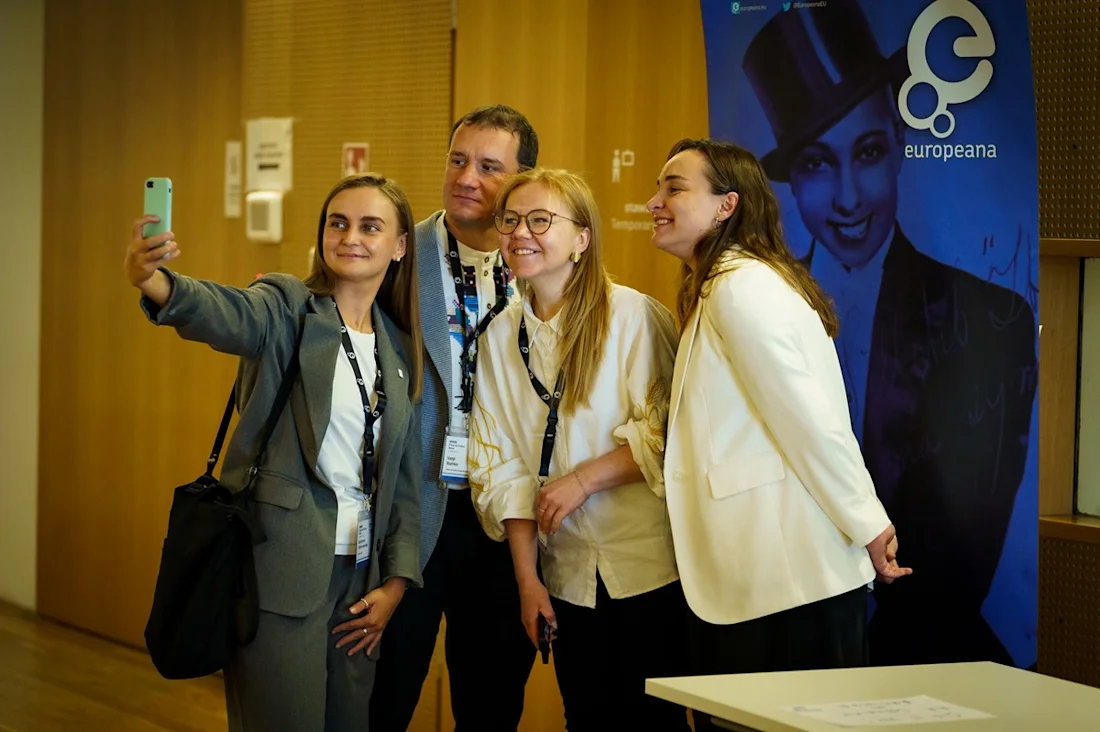
Among the conversations around Ukraine held at Europeana 2025, the panel ‘Civil society for the preservation of heritage in wartime’ brought together representatives from HATA Hub, balbek bureau, the Ukrainian Heritage Monitoring Lab and the Museum of Stolen Art. Supported by HATA Hub and Algorythm of Actions, the panel asked a central question: what does it mean to protect heritage during war, when institutions collapse and cultural memory is under attack?
As state institutions face resource constraints, civic initiatives across Ukraine — from volunteers to independent professionals — are taking action. They digitise collections, trace looted artworks and document damage to architecture and archives. These efforts, born out of crisis, are evolving into long-term systems of preservation and accountability.
The panel reflected that civic initiatives have often proven more resilient than official bodies. Since 2014, horizontal networks — decentralised, peer-to-peer structures where people and groups collaborate as equals without strict hierarchy — have become a key pillar of Ukrainian cultural resistance. Today, these models are relevant not only for Ukraine, but for other contexts affected by war, displacement, or climate disaster.
Some efforts have taken unconventional forms — such as special military units accessing endangered cultural sites. Others focus on legal documentation, tracking looted heritage despite fragmented pre-war records. Ironically, Russian systems sometimes provide more precise evidence of theft than local archives. A broader shift is also underway: rethinking cultural identity and opening access to heritage through platforms like Europeana and the common European data space for cultural heritage — a shared digital environment where cultural information can be stored, accessed, and connected across borders.
A digital response to cultural loss
During the panel, the Museum of Stolen Art was presented as an example of a civil society-led response to cultural loss. The initiative was launched as a digital exhibition showcasing artworks and cultural objects that had been stolen, destroyed or displaced as a result of Russia’s full-scale invasion.
Today, it operates as an independent organisation at the intersection of culture and technology, dedicated to raising awareness and advocating for future restitution. Its objectives are clear: to preserve memory, document losses and campaign for justice.
The Museum’s first virtual gallery focuses on the looted and destroyed heritage of Mariupol. Additional exhibitions are planned to represent losses in Kherson, Sumy, Chernihiv, Kharkiv, Donetsk, Luhansk and Crimea.
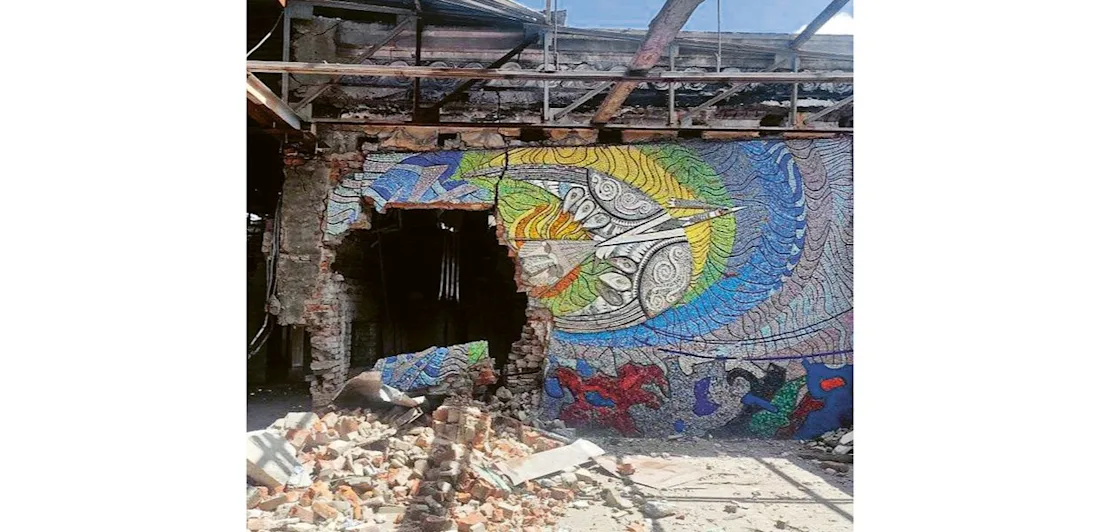
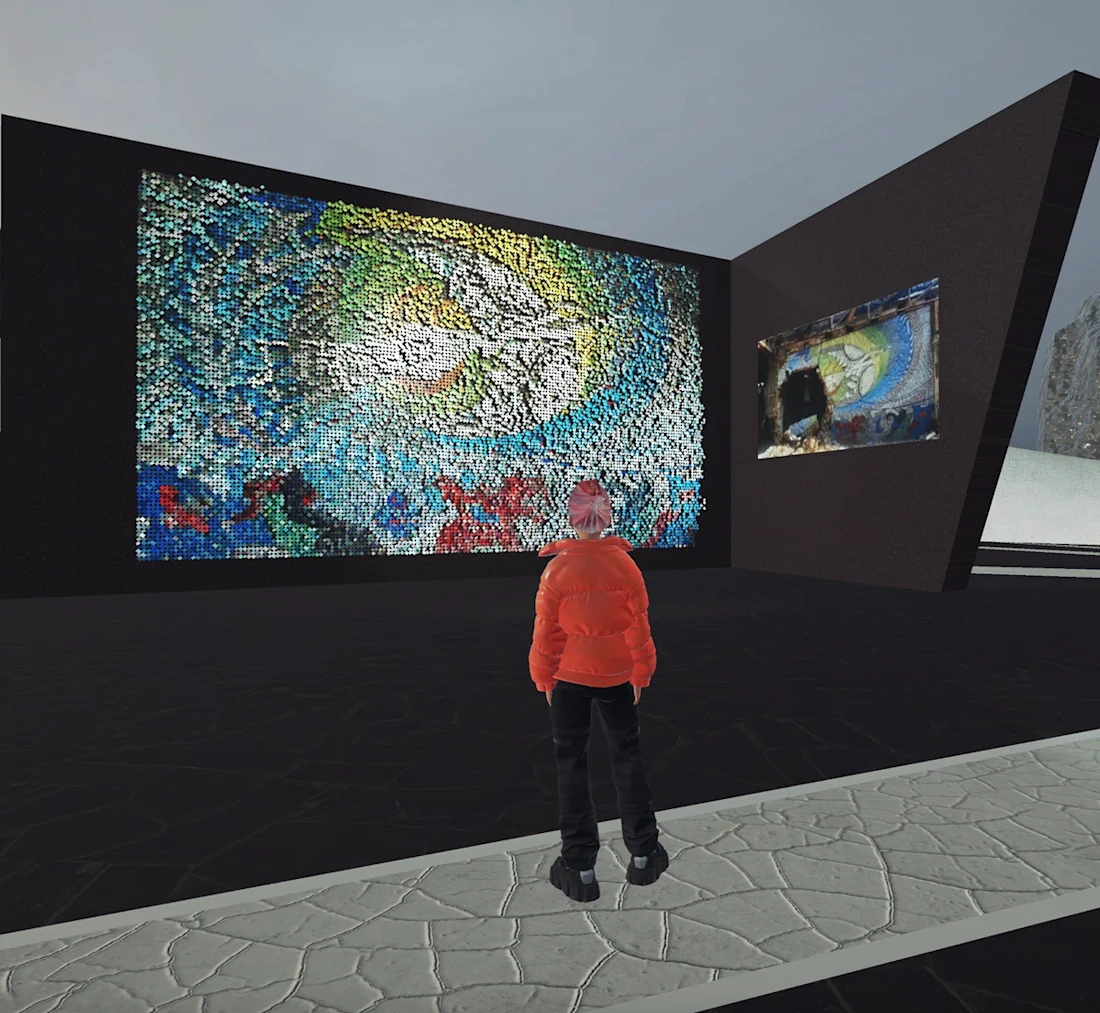
From Mariupol to Mykolaiv — and into the metaverse
The idea for the initiative emerged during a volunteer trip to Mykolaiv of the Museum’s Art Director, Olena Zenchenko, and Les Yakymchuk, Creative Lead at linza agency. As they travelled across Ukraine, they reflected on how creatives might respond to cultural devastation — and how emerging technologies like the metaverse could serve as platforms for memory and resistance. Soon after, Iryna Shostak joined the initiative, proposing that the Museum go beyond storytelling and become a platform for advocacy. She initiated the creation of an ecosystem of partners around the Museum and now focuses on impact production in the fight for future justice.
New research and a forthcoming digital exhibition
The Museum of Stolen Art is currently conducting a major research project with support from the Heinrich Böll Foundation. Its aim is to document Ukraine’s cultural heritage losses resulting from the ongoing war.
In collaboration with Ukrainian art historians, museum professionals, legal scholars and cultural heritage experts, the team is identifying and cataloguing looted, destroyed or displaced objects. This research will result in a digital catalogue, which will feed into the Museum’s next digital exhibition, expected later this year.
What’s next?
The team behind the Museum of Stolen Art continues to expand its infrastructure, grow its network, and advocate for restitution mechanisms together with their partners. Over the past year, they have been in exchange with key actors and participated in key fora - from the European Heritage Hub Dialogues online, the third European Heritage Hub Forum in Montenegro, and Europeana 2025 in Warsaw. As Ukraine’s war continues, this initiative offers an inspiring example of how digital tools and civil society can work together to protect cultural memory and push for future restitution.
Get involved
The Museum of Stolen Art is open to collaboration. Cultural professionals, researchers, and institutions are invited to connect with the team, explore the project, or contribute to future exhibitions. For more information, visit the website or contact the museum by email: [email protected]